
Key Takeaways
- Ganglion cysts are fluid-filled lumps that commonly form near joints or tendons in the hand or wrist.
- They may cause swelling, pain, stiffness, or restricted movement depending on their location.
- Ganglion cysts can change size and may appear or disappear over time.
- Proper diagnosis helps distinguish ganglion cysts from other hand or wrist conditions.
- OAA Orthopaedic Specialists provides expert hand and wrist care for the diagnosis and treatment of ganglion cysts in Allentown, PA. Schedule an appointment for personalized evaluation and care.
What Is a Ganglion Cyst?
A ganglion cyst is a soft tissue mass filled with a thick, jelly-like fluid that originates from a joint capsule or tendon sheath. The fluid inside the cyst is similar to the lubricating fluid normally found in joints, but it becomes enclosed within a sac.
Ganglion cysts are benign and do not spread to other areas of the body. However, their size and position can cause discomfort or interfere with normal hand and wrist function.
Common Locations for Ganglion Cysts on the Hand or Wrist
Ganglion cysts most often develop in areas where joints and tendons experience frequent movement or stress.
Most Common Locations
- Back of the wrist (dorsal wrist)
- Palm side of the wrist (volar wrist)
- Base of the fingers
- Near finger joints
- Along tendon sheaths in the hand
Cysts on the wrist are especially noticeable during activities that require bending or gripping.
Symptoms of a Ganglion Cyst
Not all ganglion cysts cause pain, but symptoms may develop as the cyst grows or presses against nearby structures.
Common Symptoms
- A visible lump or swelling under the skin
- Pain or aching, especially with movement
- Stiffness or limited range of motion
- Weakness when gripping objects
- Tingling or numbness if a nerve is compressed
Symptoms can fluctuate, and some cysts become more noticeable after activity and less noticeable with rest.
What Causes Ganglion Cysts?
The exact cause of ganglion cysts is not always known, but several factors may contribute to their development.
Possible Contributing Factors
- Repetitive hand or wrist motion
- Joint or tendon irritation
- Previous injury or trauma
- Degenerative joint changes
- Structural weakness in the joint capsule
Ganglion cysts are more common among individuals who perform repetitive wrist motions or apply frequent stress to the hand and wrist.
How to Differentiate Ganglion Cysts from Other Lumps
Not every lump on the hand or wrist is a ganglion cyst. Proper evaluation is important to rule out other conditions.
Ganglion Cyst vs. Other Hand Lumps
| Feature | Ganglion Cyst | Other Hand Lumps |
|---|---|---|
| Texture | Soft to firm, fluid-filled | Often solid |
| Size changes | May grow or shrink | Usually consistent |
| Pain | May be painless or painful | Often painful or tender |
| Location | Near joints or tendons | Can vary |
| Mobility | Slightly movable | Often fixed |
Because symptoms can overlap, professional evaluation is essential for accurate diagnosis.
Diagnostic Tools Used by Specialists
At OAA Orthopaedic Specialists, diagnosing a ganglion cyst begins with a thorough clinical evaluation.
Physical Examination
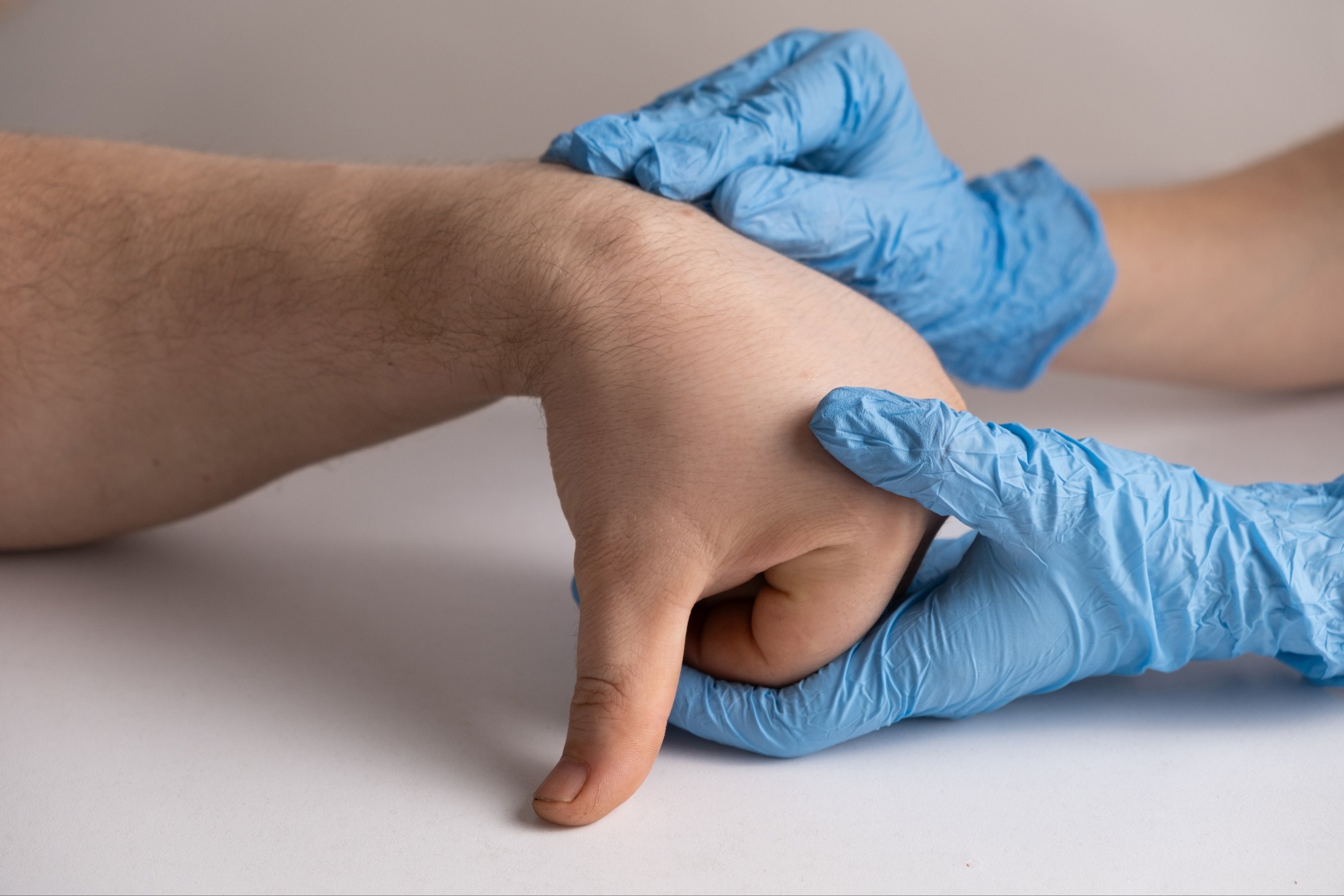
A hand and wrist specialist evaluates the size, location, texture, and mobility of the lump. In some cases, gentle pressure or movement testing can help determine whether the cyst is affecting adjacent structures.
Imaging Studies
If needed, imaging modalities such as ultrasound or MRI may be used to confirm the diagnosis or exclude other conditions involving bones, tendons, or soft tissues.
Accurate diagnosis ensures the most appropriate treatment approach.
Treatment Options for Ganglion Cysts in Allentown, PA
Treatment depends on the cyst's size, symptoms, and the extent to which it interferes with daily activities. OAA Orthopaedic Specialists offers both non-surgical and surgical treatment options.
Non-Surgical Treatment Options
Many ganglion cysts can be managed without surgery, especially when symptoms are mild.
- Observation: Some cysts resolve on their own and may only require monitoring.
- Activity Modification: Reducing repetitive stress on the wrist or hand may help decrease symptoms.
- Immobilization: Temporary use of a brace or splint can reduce irritation.
- Anti-inflammatory Medications: NSAIDs may help relieve pain and swelling.
- Heat or Ice Therapy: Can reduce discomfort in some cases.
- Physical or Occupational Therapy: Therapy may help improve movement and reduce strain.
Surgical Treatment
If a ganglion cyst causes persistent pain, restricts movement, or returns after conservative care, surgical removal may be recommended. OAA Orthopaedic Specialists’ fellowship-trained hand surgeons use minimally invasive techniques whenever possible to remove the cyst and reduce recurrence risk.
Recovery and Outlook
Recovery varies depending on the treatment approach. Non-surgical management typically allows for immediate return to normal activities with modifications. Surgical recovery may involve short-term activity restrictions and hand therapy to restore strength and mobility.
Most patients experience excellent outcomes with appropriate treatment.
When to See a Hand and Wrist Specialist
You should seek evaluation if:
- A lump is painful or growing
- Hand or wrist movement becomes limited
- You experience numbness or weakness
- Symptoms interfere with work or daily activities
Early evaluation helps ensure proper care and peace of mind.
Specialized Hand and Wrist Care You Can Trust
Ganglion cysts are common, but they should not be ignored when they affect comfort or function. OAA Orthopaedic Specialists provides comprehensive hand and wrist care, offering both non-surgical management and advanced surgical options tailored to each patient’s needs.
Schedule an appointment with OAA Orthopaedic Specialists today to receive expert evaluation and treatment for a ganglion cyst on your hand or wrist in Allentown, PA.
Frequently Asked Questions
What is a ganglion cyst on the wrist?
A ganglion cyst is a fluid-filled lump that forms near a wrist joint or tendon. It is benign but may cause discomfort or limited motion.
What causes a ganglion cyst to develop?
The exact cause is unknown, but repetitive motion, joint irritation, or prior injury may contribute.
Can a ganglion cyst go away without treatment?
Yes. Some cysts resolve on their own and only require observation.
How is a ganglion cyst diagnosed?
Diagnosis is based on physical examination and, if necessary, imaging such as ultrasound or MRI.
When is surgery needed for a ganglion cyst?
Surgery may be recommended if the cyst causes ongoing pain, restricts movement, or returns after non-surgical treatment.