
Key Takeaways
- Ganglion cysts are noncancerous, fluid-filled sacs that commonly form near joints and tendons in the wrist or hand.
- Not all ganglion cysts require surgery, and many can be managed conservatively.
- Symptoms vary. Some cysts are painless, while others may cause discomfort or nerve irritation.
- Accurate diagnosis is essential to determine whether monitoring, non-surgical care, or ganglion cyst removal is appropriate.
- OAA Orthopaedic Specialists provides expert hand and wrist care for ganglion cyst treatment in Allentown and Lehighton, PA. Schedule an appointment for a personalized evaluation.
Understanding Ganglion Cysts: Causes and Symptoms
Before addressing common misconceptions, it helps to understand what causes ganglion cysts and how they present.
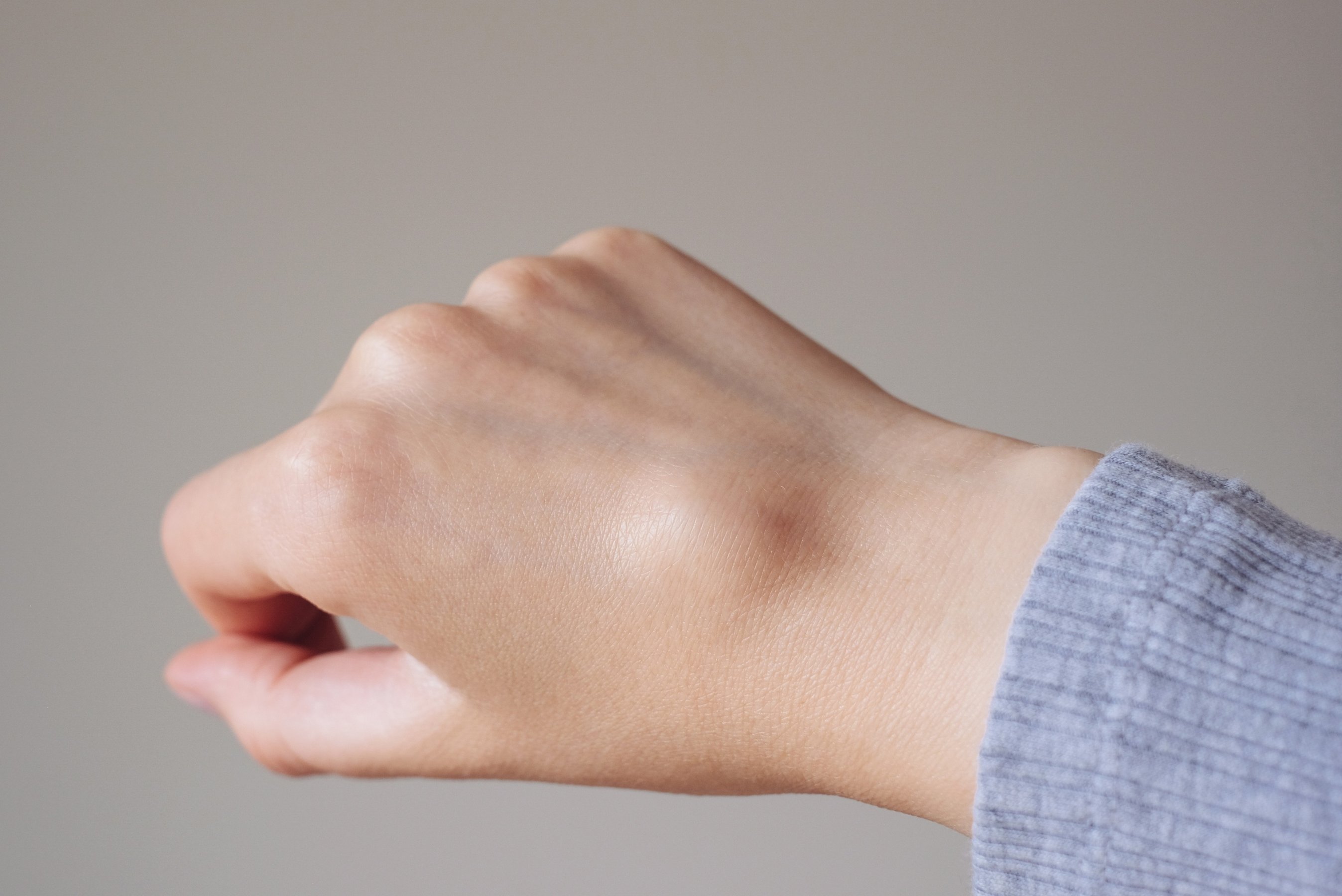
A ganglion cyst is a fluid-filled sac that develops near a joint capsule or tendon sheath. These cysts most often appear on the back of the wrist, the palm side of the wrist, or near finger joints.
Ganglion Cyst Causes
The exact cause is not always clear. However, ganglion cysts may form when joint or tendon irritation allows synovial fluid to collect and create a sac. Repetitive wrist motion, joint stress, or prior injury may contribute.
According to the American Academy of Orthopaedic Surgeons, ganglion cysts are benign and commonly occur in people between the ages of 15 and 40.
Common Ganglion Cyst Symptoms
Symptoms vary from person to person and may include:
- A visible lump on the wrist or hand
- A feeling of pressure or fullness
- Aching discomfort with movement
- Tingling if the cyst presses on a nerve
- Reduced range of motion in some cases
Now let’s examine the myths that often create confusion.
Myth #1: Ganglion Cysts Always Require Surgery
This is one of the most common misconceptions.
The reality is that not every ganglion cyst requires surgical removal. If the cyst is painless and does not interfere with movement or daily activities, monitoring may be appropriate.
At OAA Orthopaedic Specialists, treatment decisions are based on:
- Symptom severity
- Functional limitations
- Size and location of the cyst
- Patient goals
Non-surgical treatment options may include:
- Observation
- Activity modification
- Rest
- Anti-inflammatory medications
- Immobilization
Surgery is typically considered only when conservative measures fail or when pain and nerve compression significantly impact function.
Learn more about hand and wrist treatment options at: Hand & Upper Extremities | OAA Orthopaedic Specialists
Myth #2: Ganglion Cysts Are Cancerous
Ganglion cysts are benign. They are not cancerous and do not spread.
However, any new lump should be evaluated by a qualified orthopedic specialist to confirm diagnosis. A physical examination is often sufficient, though imaging may be recommended if necessary.
The table below clarifies the difference:
| Feature | Ganglion Cyst | Cancerous Tumor |
|---|---|---|
| Nature | Benign | Malignant |
| Spread | Does not spread | Can spread |
| Common Location | Wrist and hand joints | Varies |
| Typical Treatment | Observation or removal if symptomatic | Requires oncologic management |
Proper evaluation provides reassurance and ensures accurate treatment planning.
Myth #3: Ganglion Cysts Will Go Away on Their Own
Some ganglion cysts may shrink or temporarily disappear, especially if fluid drains back into the joint. However, many persist or recur.
Assuming a cyst will resolve on its own can delay care if symptoms worsen. If you experience:
- Increasing size
- Pain with movement
- Numbness or tingling
- Limited wrist or finger motion
It is important to seek evaluation.
OAA Orthopaedic Specialists provides both non-surgical and surgical ganglion cyst treatment options tailored to individual needs.
Myth #4: Ganglion Cysts Are Always Painful
Pain levels vary widely.
Some ganglion cysts cause no discomfort at all and are discovered incidentally. Others may cause:
- Aching with repetitive wrist movement
- Tenderness when pressed
- Nerve compression symptoms, such as tingling
Pain severity does not necessarily correlate with cyst size. A small cyst in a sensitive area may cause more symptoms than a larger cyst elsewhere.
Myth #5: Hitting or Draining a Ganglion Cyst at Home Is Safe
This outdated belief can cause injury.
Attempting to burst a cyst at home increases the risk of:
- Infection
- Joint damage
- Incomplete drainage
- Recurrence
Safe ganglion cyst removal, when needed, should always be performed under sterile medical conditions by an orthopedic specialist.
Accurate Information About Ganglion Cyst Treatment and Recovery
Treatment depends on symptoms and functional impact.
Non-Surgical Ganglion Cyst Treatment
- Rest and activity modification
- Immobilization with a brace
- Anti-inflammatory medications
- Steroid injections in select cases
Ganglion Cyst Removal Surgery
If surgery is required, OAA’s fellowship-trained physicians use minimally invasive techniques whenever appropriate. The goal is to remove the cyst and its stalk to reduce recurrence risk.
Recovery typically includes:
- Temporary immobilization
- Gradual return to activity
- Possible hand therapy depending on individual needs
Explore comprehensive orthopedic care at: OAA Orthopaedic Specialists
When to See a Hand and Wrist Specialist
Consider scheduling an evaluation if you notice:
- A persistent lump on the wrist or hand
- Increasing discomfort
- Weakness in grip strength
- Nerve symptoms such as tingling
Early evaluation allows for accurate diagnosis and appropriate treatment planning.
OAA Orthopaedic Specialists provides expert care for ganglion cysts and other hand and upper extremity conditions in Allentown and Lehighton, PA.
Consult a Hand Specialist for Personalized Ganglion Cyst Care
Ganglion cysts are common and often harmless, but misconceptions can lead to unnecessary anxiety or delayed treatment. Understanding the truth about ganglion cyst causes, symptoms, and removal options helps you make informed decisions about your care.
OAA Orthopaedic Specialists offers specialized hand and wrist care, including evaluation and treatment for ganglion cysts. Schedule an appointment today with OAA Orthopaedic Specialists to receive personalized ganglion cyst treatment in Allentown or Lehighton, PA.
Frequently Asked Questions
What causes ganglion cysts to form?
Ganglion cysts may develop when joint or tendon irritation allows synovial fluid to collect and form a sac. Repetitive motion or prior injury may contribute.
What are common ganglion cyst symptoms?
Symptoms may include a visible lump, aching discomfort, pressure, or nerve-related tingling if the cyst presses on nearby structures.
Do all ganglion cysts require removal?
No. Many cysts can be monitored if they are painless and not affecting function. Surgical removal is considered when symptoms persist or worsen.
Can a ganglion cyst come back after removal?
Recurrence is possible, though removing the cyst and its connection to the joint reduces that risk.
Is ganglion cyst treatment covered by insurance?
Coverage depends on individual insurance plans. OAA Orthopaedic Specialists can assist with insurance and billing questions.
